



Nihonto - Morimasa
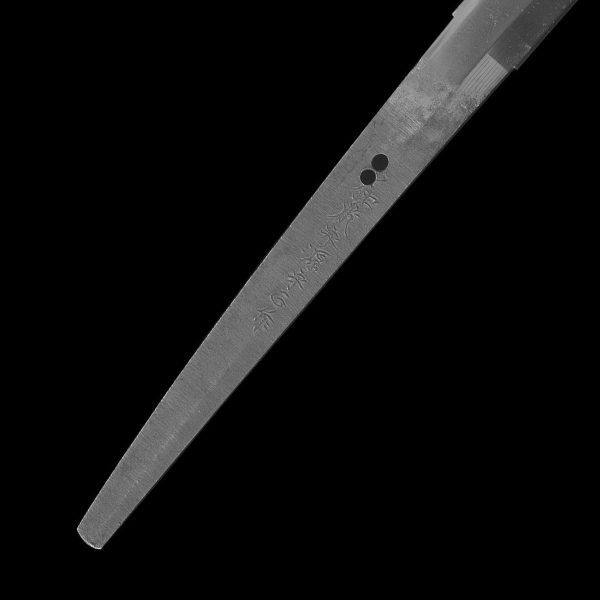
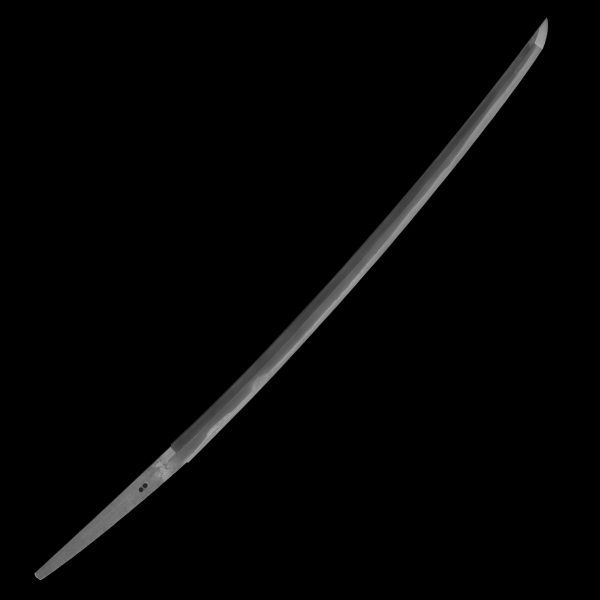
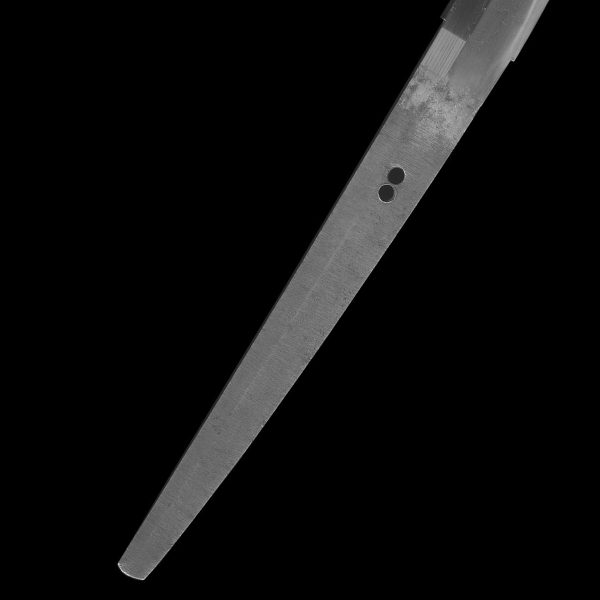
Katana Mei (signature):
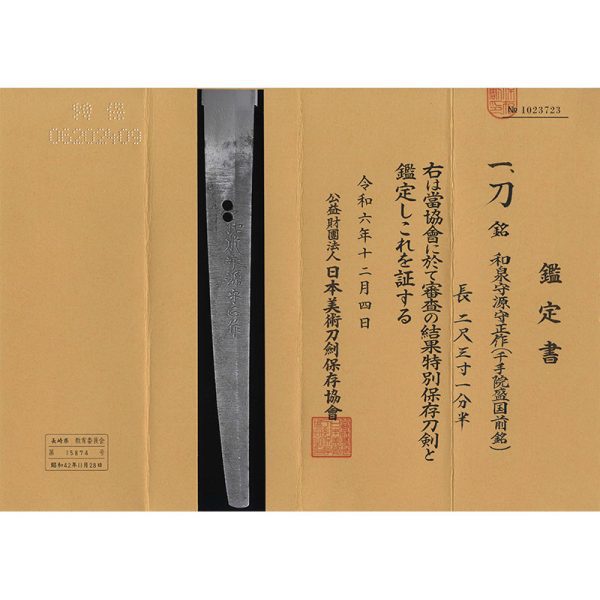
和泉守源守正作 (Made by Izumi no Kami Minamoto Morimasa)
Information about the blacksmith:
The exact dates of Morimasa's birth and life are unfortunately unknown, but he lived in the 17th century during the Edo period. Based on his known works, he was probably born between 1620 and 1630.
Morimasa is the early signature of the blacksmith, later he was known as Senjuin Morikuni and also Edo-Senjuin. He is considered a descendant of the legendary Akasaka Senjuin and there may even have been a family connection.
According to tradition, he was a pupil of the famous blacksmith Izumi no Kami Kaneshige in Edo and Morimasa's works resemble those of Kaneshige in many details.
His work is thus also similar to that of the blacksmith Kotetsu, whose work showed strong overlaps with Kaneshige's blades. Kotetsu is considered one of the best blacksmiths in Japanese history and is mentioned in the same breath as legends such as Masamune.
Morimasa was therefore taught and influenced by very important blacksmiths and is also regarded as an outstanding blacksmith himself.
Unfortunately, there are only a few surviving works by Senjuin Morikuni today and those with the signature "Morimasa" are even rarer. In terms of quality, his blades are generally regarded as Shinto jo-saku ("upper quality from the Shinto period"). His blades are so sharp that they bear the title Wazamono.
Information about the blade:
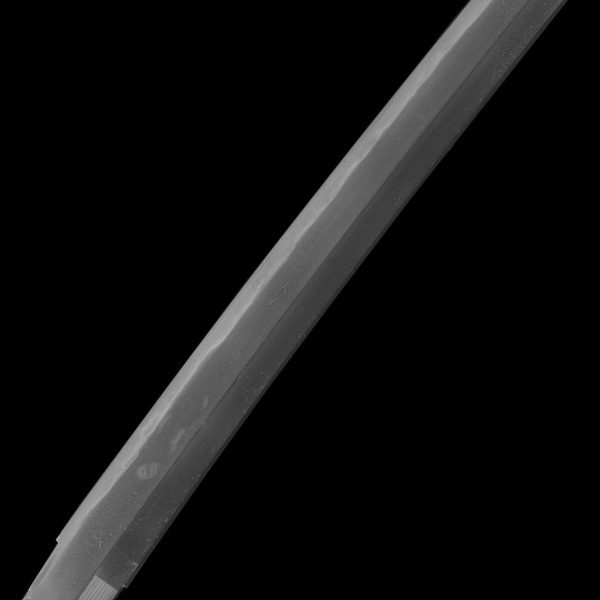
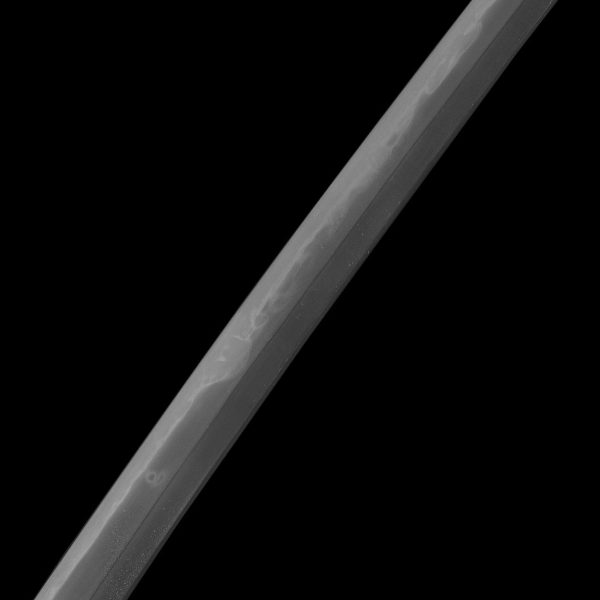
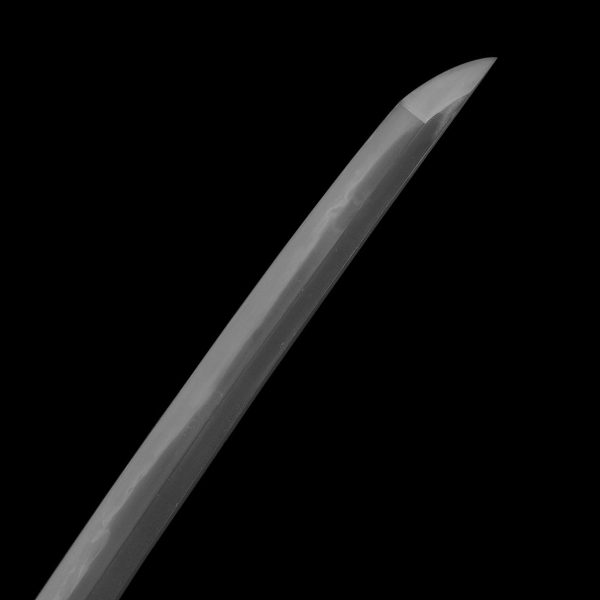
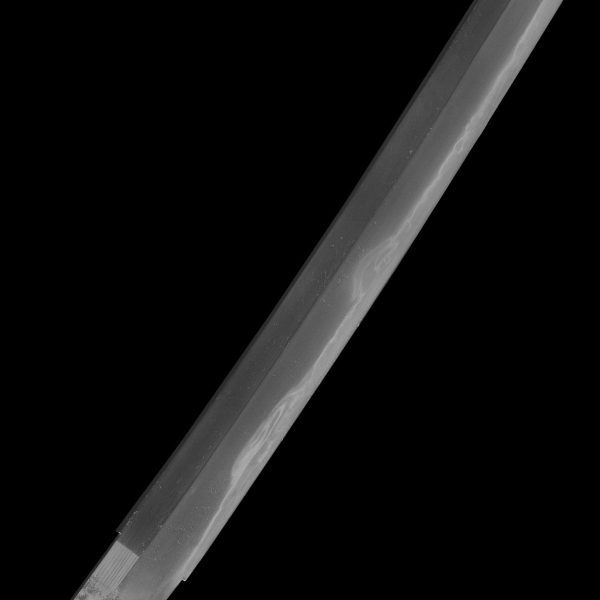
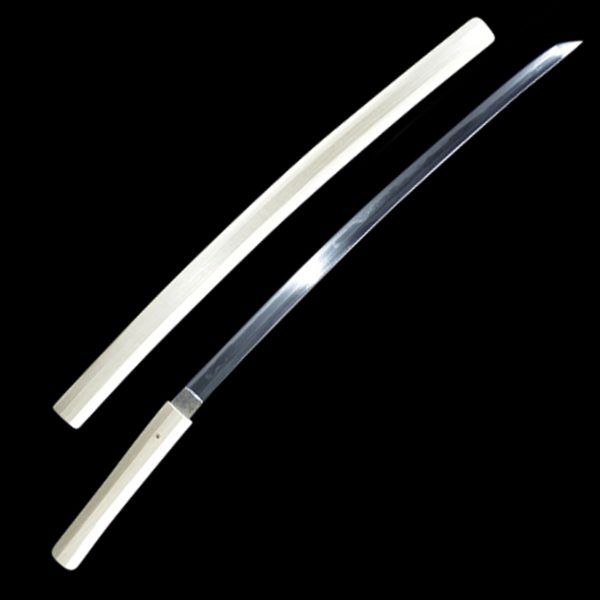
Nagasa (blade length): 70.2 cm
Sori (blade curvature): 1.5 cm
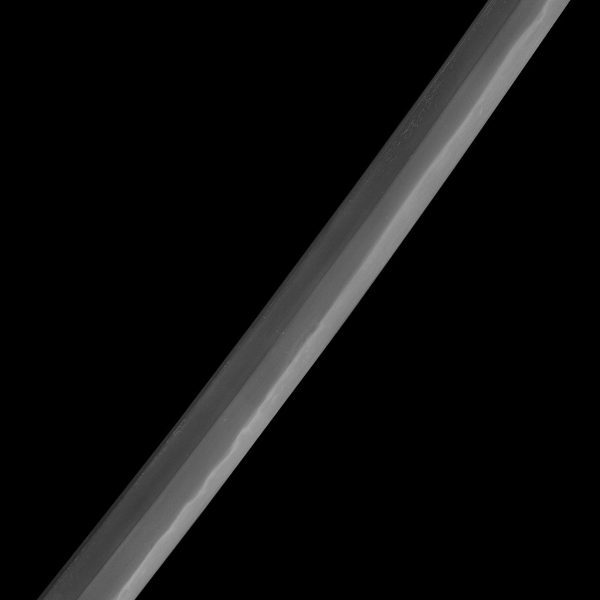
Motohaba: 32.1 mm
Motokasane: 7.8 mm
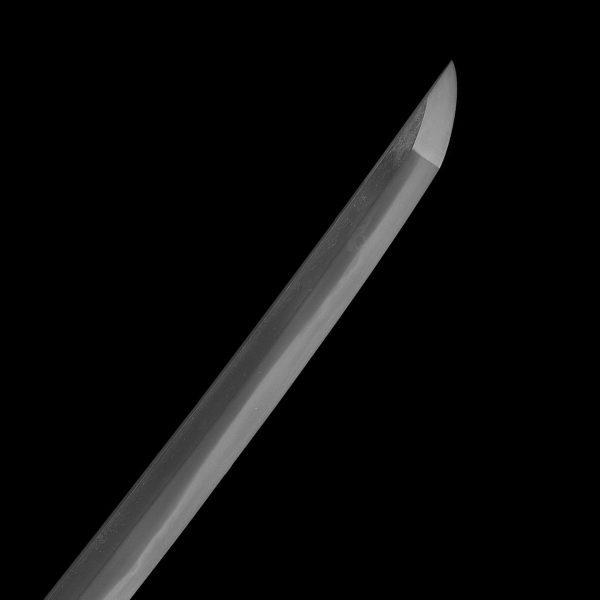
Sakihaba: 20.4 mm
Sakikasane: 4.5 mm
The blade was forged between 1661 and 1673.
The NBTHK categorised the blade as Tokubetsu (particularly worthy of preservation) and issued a corresponding certificate.
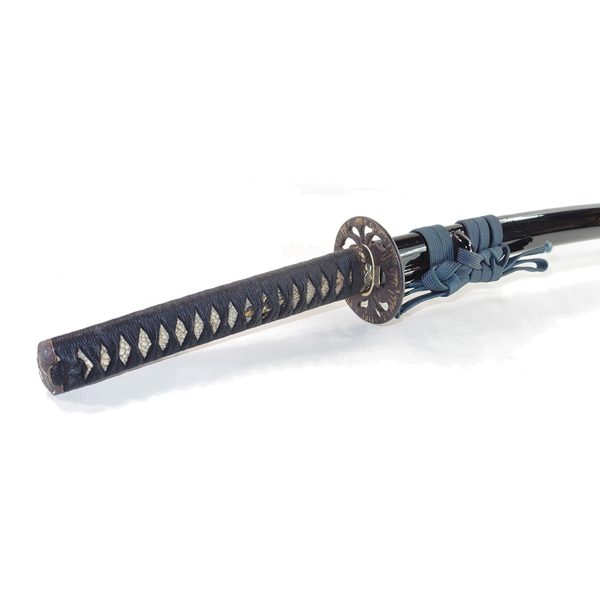
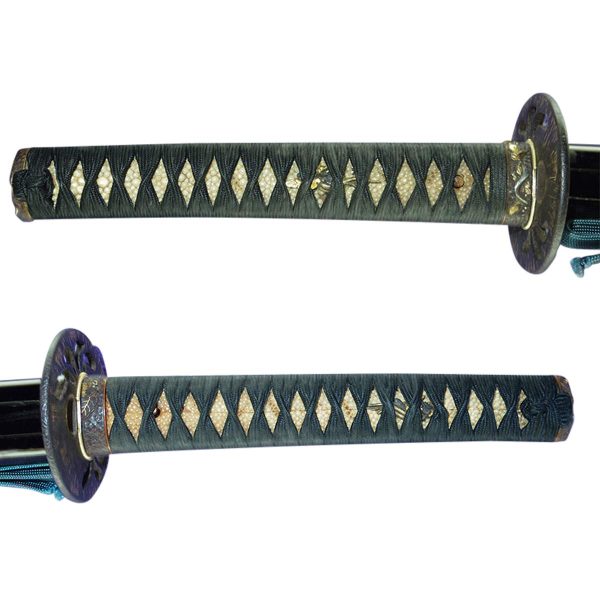
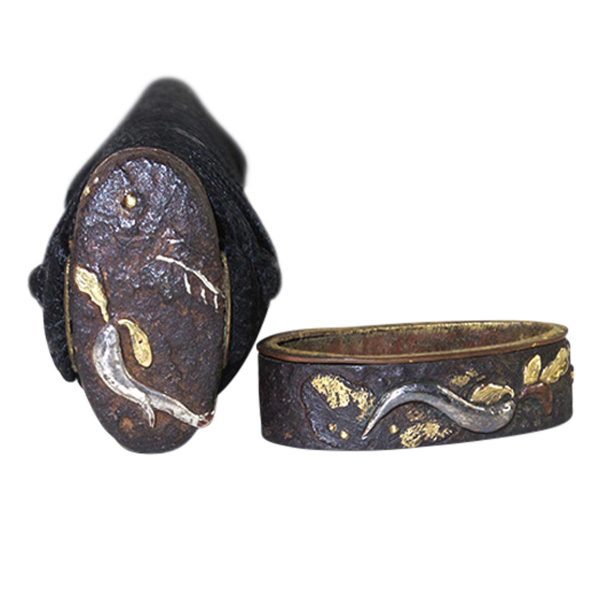
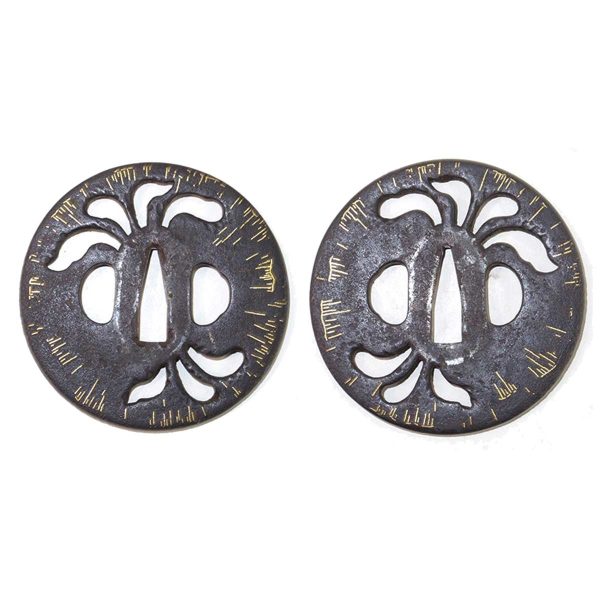
The mount shown is also part of the offer.
This sword is currently still in Japan. We take over the complete handling (all associated costs are already included in the offered price).
Reviews
There are no reviews yet.